If you invest most days tethered to a laptop computer, the pains are familiar. A band of tightness across the shoulders by mid-morning. An unpleasant knot under the shoulder blade that flares when you grab a mug. The dull, end-of-day throb at the base of the skull that no stretch appears to touch. Office work breeds a certain pattern of pressure: forward head posture, rounded shoulders, locked hips, and a low back doing more than it should. Massage can assist, not as a one-off extravagance, but as a useful tool for reducing pain, restoring movement, and training the body to endure long hours more gracefully.
I have dealt with developers, job supervisors, experts, designers, and a turning cast of professionals who reside in spreadsheets and code editors. Their requirements vary, however the techniques that get results are remarkably consistent. The aim is not to press harder or chase discomfort. The aim is to select the ideal combination of pressure, angle, tempo, and placing to coax the nerve system into releasing. Below is a guidebook to the massage approaches that perform dependably for desk-bound bodies, in addition to details you can utilize whether you are reserving with a massage therapist or attempting self-care in between sessions.

Why office posture develops foreseeable pain patterns
The body adapts to what it repeats. Hours of sitting tilt the pelvis posteriorly, flatten the natural lumbar curve, and encourage the head to wander forward. The upper trapezius, levator scapulae, and suboccipitals reduce and protect. The deep neck flexors, lower trapezius, and serratus anterior lose tone. Pec small tightens, pulling the shoulder forward and compressing the front of the shoulder joint. The thoracic spinal column stiffens and stops rotating well, and the body spends for that lack of mobility at the neck and low back.
Massage can not change the physics of your chair, but it can disrupt the cycle of guarding and compensations. An excellent session ought to deal with three things: calm overactive muscles, lengthen reduced tissue, and rekindle movement in joints that have actually stopped moving. Strategies that do those 3 consistently are worth your time.
The basics: pressure, pace, and breath
Two people can use the very same technique with hugely different outcomes. The distinction often boils down to how they regulate pressure, how rapidly they move, and whether they sync with the customer's breath. For tight necks and backs, slower is usually much better. Provide tissue time to react. Stay simply under the edge of securing. If a stroke makes you hold your breath or clench your jaw, it is too much. In my practice, I cue customers to take one long inhale as I position the tissue, then a sluggish exhale while I sink or move. That pairing resets the tone in the musculature better than any single magical stroke.
Myofascial release for the neck and upper back
When workplace employees experience a "weight on the shoulders," the offenders are frequently the upper trapezius, levator scapulae, and the fascia that covers across the top of the shoulders and into the base of the skull. Myofascial release works well here due to the fact that it deals with the sluggish, stubborn quality of desk-driven tension.
A basic however potent approach begins with skin traction, not oil. Starting at the top of the shoulder, a therapist anchors the fascia with broad, consistent contact and drifts towards the neck at a speed of roughly 1 inch per 5 to 10 seconds. The pressure is light to moderate, almost like moving a wrinkle in a sheet. Prevent moving quickly. If you feel slip, decline oil or utilize a towel to include grip. The stroke continues approximately the side of the neck, skirting the bony procedures, and ends just listed below the ear. Repeat 3 to five passes, gradually increasing depth as the tissue warms. Individuals are frequently shocked how much relief this brings with relatively mild pressure due to the fact that the nerve system analyzes slow, continual traction as safe and lets go.
For the suboccipitals, which can set off headaches that seem like a band tightening up around the skull, I utilize a cradle strategy. With the client lying face up, I place my fingertips under the ridge at the base of the skull and use mild upward pressure while requesting a sluggish exhale. Holding for 60 to 90 seconds enables the little muscles to fatigue and release. Office workers who grind their teeth at night or crane their necks toward a laptop often react considerably to this.
Self-care alternative: Put 2 tennis balls in a sock, lie on your back, and rest the ball set beneath the base of the skull. Let your head gently nod yes and no for one minute, concentrating on small motions. If you feel tingling down the arms, move the balls away from the spinal column and lower pressure.
Targeted trigger point work that respects the anxious system
Trigger points in the levator scapulae and upper trapezius are common in desk employees. You can find them by feeling for a small, tender blemish that refers discomfort up into the neck or behind the eye when pressed. Trigger point therapy is most reliable when approached like a dimmer switch rather than a light switch. Pressing too hard too rapidly provokes safeguarding and jumpiness.
A therapist may use a pincer grasp on the upper trapezius, gradually squeezing the muscle tummy between thumb and fingers, then holding at a discomfort level of 4 to 6 out of 10 while you breathe for 20 to 30 seconds. Experiences must soften, spread, or warm. If the pain spikes, withdraw. I often follow a trigger point release with an extending stroke in the same fiber instructions to invite the muscle to accept its new resting length. Expect momentary tenderness the next day, similar to a light exercise, not sharp pain.
Self-care alternative: Use your opposite hand to pinch and lift the top of the shoulder far from the bone. Hold, breathe, and then gradually turn your head away and tuck your chin a little, like making a gentle double chin. This integrates positional release with an active stretch and works well at your desk.
Stripping and cross-fiber friction along the paraspinals
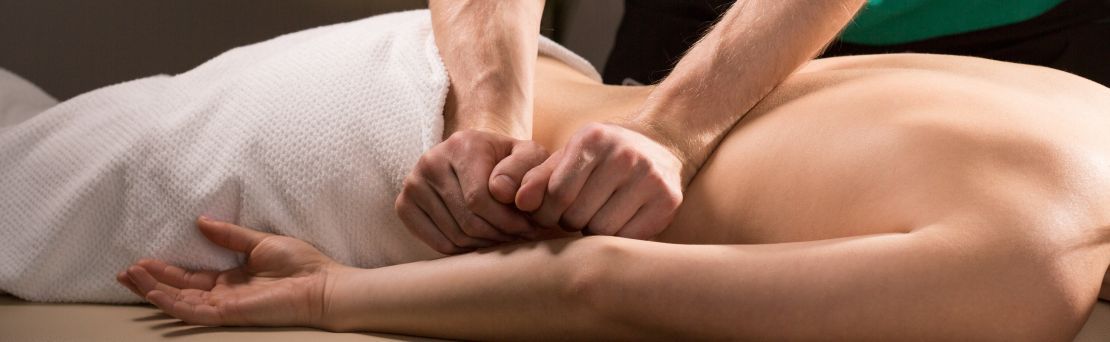
For low and mid-back stiffness, specifically from extended sitting, long removing strokes along the erector spinae and multifidus can restore move and blood circulation. I choose slow, knuckle-based glides that start near the sacrum and track approximately the mid-thoracic region, remaining near to the spinous procedures without crossing them. The tempo should be sluggish enough that the tissue under your hands seems like it is melting, not bracing.
Cross-fiber friction, applied perpendicular to the muscle fibers, works where you feel ropiness or small adhesions. Keep the friction little, perhaps 1 to 2 inches wide, and work for 30 to one minute before proceeding. Overdoing friction can cause remaining pain. For workplace employees, three to five focused areas along the thoracolumbar junction frequently produce the most release.
Scapular mobilization to repair the shoulder-neck loop
Neck discomfort typically refuses to deal with till the shoulder blade begins moving correctly. Many desk workers hardly upwardly rotate or posteriorly tilt the scapula when raising an arm, which indicates the neck has to over-rotate and the rotator cuff bears excessive load.
Scapular mobilization is part strategy, part choreography. With the client pushing their side, a therapist can cradle the arm and guide the shoulder blade through upward rotation, protraction, and depression while lifting the arm overhead. The hand at the median border of the scapula offers gentle traction, while the other hand guides the arm. The goal is not to require variety however to reestablish the pattern with low resistance and smooth timing. Two or 3 minutes of rhythmic, pain-free mobilizations can decrease upper trapezius protecting and free the neck immediately. I typically match this with a company slide under the blade's lower angle, which tends to be sticky from sitting.
At home, moving a lacrosse ball along the inner border of the shoulder blade against a wall reproduces a few of the result. Explore from simply above the inferior angle up towards the leading third of the blade, breathing progressively. Avoid the bony ridge at the top.
Pec minor release to open the front of the shoulder
Forward shoulders shorten the pec minor, which tethers the scapula in anterior tilt and impinges the front of the shoulder. Releasing pec small is a little relocation that yields outsized relief for neck tension. The muscle sits below the external part of the chest, attaching from ribs 3 to 5 as much as the coracoid process.
A therapist can sink fingertips or knuckles simply inferomedial to the coracoid and angle a little upward and lateral, feeling for a band that tightens when you carefully lift your shoulder blade forward. Pressure needs to be purposeful however not bruising. Hold while you take 2 or 3 sluggish breaths, then slowly retract the shoulder blade to lengthen the location. Numerous customers feel a recommendation up into the neck or down the arm. If you feel tingling into the hand, brighten up and adjust your angle.
Self-care alternative: Utilize a small ball versus the wall at the outer chest, somewhat listed below the shoulder joint. Turn your torso towards the ball to adjust pressure and take slow breaths. Limit to 45 to 60 seconds, then follow with a simple doorway pec stretch at a low angle.
Pin-and-stretch for hip flexors and quadratus lumborum
Low back fatigue in office workers typically traces back to grippy hip flexors and a quadratus lumborum that acts like a guy-wire, stabilizing a pelvis that is tilted or locked. Massage can help by pinning and extending instead of just pressing.
For the hip flexors, I choose dealing with the client side-lying with a pillow in between the knees. The top hip can be extended carefully while the therapist pins the tensor fasciae latae and proximal rectus femoris. This setup avoids the awkwardness of deep stomach work and keeps the low revoke the equation. As the leg slowly extends behind, the therapist preserves a consistent hang on the tissue to encourage extending through the front of the hip. Most customers feel a sense of space in the low back afterward.
For quadratus lumborum, managed lateral flexion paired with a thumb or elbow contact simply above the iliac crest reduces the persistent clamping numerous desk employees develop, especially on the side where the mouse lives. Pressure should be firm but mindful, never jabbing. I ask clients to trek the hip a little toward the ribs on inhale, then soften and lengthen on exhale while I keep contact. Three or 4 breaths per side are normally enough.
Sports massage principles adapted for desk athletes
Sports massage is not only for runners and lifters. The concepts translate well for workplace workers because the goal is similar: handle load, speed recovery, and optimize motion patterns. The pacing and strength simply need adjustment.
Instead of percussive strokes created to stimulate pre-competition, I utilize lighter tapotement near completion of a session to awaken sleepy postural muscles like the lower traps. Instead of deep, aggressive stripping on tight calves, I obtain the sports massage sequence idea: warm up the tissue, look for limitations, address them, then reconsider movement. It is common to see desk https://israelszlq084.tearosediner.net/sports-massage-recovery-hacks-for-post-workout-pain workers with tight hamstrings coupled with stiff ankles, so I include quick ankle mobilizations and gastrocnemius-soleus work. That little modification typically enhances a standing desk tolerance test from 20 minutes to nearly an hour due to the fact that the posterior chain can share load more evenly.
If you are scheduling sports massage treatment, inform the therapist your work pattern and the specific tasks that set off discomfort. A focused, hour-long session that prioritizes your neck, thoracic spinal column, and hips, with a short check of shoulder and ankle movement, will serve you better than a generic full-body circuit.
The rhythm of a productive 60-minute session
Every body is various, however a structure that regularly helps workplace employees looks like this:
- Intake and quick motion screen: two to three questions about discomfort habits, then inspect cervical rotation, a seated thoracic rotation, shoulder flexion, and a hip hinge. It takes three minutes and keeps the work honest. Myofascial warm-up: sluggish, oil-free drags throughout the upper back and neck to invite tissue to soften. Focal releases: trigger points in the levator scapulae and upper trapezius, suboccipital cradle, cross-fiber friction at thoracolumbar junction, and pec minor release. Scapular and thoracic mobilization: side-lying scapula glides, then susceptible or seated thoracic extension and rotation mobilizations with client-assisted breath. Hip and low back sequence: side-lying pin-and-stretch for hip flexors, QL breath work, and a couple of long erector strips. Recheck movement: retest the preliminary movements to confirm change and coach a couple of micro-habits to keep gains.
The recheck is non-negotiable. If your neck rotation does not enhance on the table, adjust the plan. Maybe the offender is the first rib, or your pec minor is calling the shots. Good therapists deal with results, not routines.
When deep pressure helps, and when it backfires
Clients frequently correspond much deeper pressure with better outcomes. Depth has its place, especially in thick, well-trained tissue that endures load. For workplace employees with tension and bad sleep, the nerve system is already sensitized. Heavy pressure can feel like an invasion, activating protective convulsion. Indications of overshooting include breath-holding, sweating, or next-day discomfort that feels sharp instead of happily sore.
If you yearn for depth, ask for sluggish sinking pressure with longer holds instead of quick, strong strokes. Depth plus time beats depth plus speed. In regions with nerves and fragile structures, such as the front of the neck, pick gentleness. Work indirectly through the collarbones, scalene attachments, and the upper ribs rather than poking at the throat.
Self-massage that actually operates at a desk
Foam rollers and massage weapons have their place, however you do not need a complete toolbox. 2 or 3 accurate relocations carried out daily are enough to change your baseline.
- Neck slide and tuck: Sit tall, glide your head straight back as if making a small double chin, then turn your head slowly left and right. 5 slow reps. This resets suboccipital tone and sets well with earlier manual work. Wall pec release with breath: Place a small ball at the outer chest, take in, then on a six-second exhale, turn your breast bone far from the ball without letting your shoulder hike. Hold for 2 breaths, move the ball somewhat, and repeat for 60 seconds. Thoracic extension over a towel: Roll a bath towel into a firm log. Place it horizontally under your mid-back. Support your head, inhale to expand the ribs, then exhale and let your upper back drape over the towel. Three to 5 breaths at 2 areas along the mid-back.
These moves do not require changing clothes and can be inserted between conferences. The goal is not to extend strongly, but to remind stiff areas how to move.
How often to get massage, and what development looks like
For severe flare-ups, weekly sessions for three to 4 weeks can break the cycle. For steady maintenance, every three to five weeks is normal. Budget and schedule matter, of course. I tell clients to pair massage frequency with self-care consistency. If you can commit to day-to-day two-minute tune-ups and small workday posture changes, you can stretch time in between sessions.
Progress shows up in subtle metrics first. You sleep better and wake with less stiffness. You can sit for 90 minutes before needing to stand, instead of 40. Headaches that appeared three afternoons a week now surface area as soon as every 2 weeks. Range of motion changes must be quantifiable: neck rotation enhances by 10 to 20 degrees, shoulder flexion reaches overhead without a rib flare, and a hip hinge feels less pinchy. If you are not seeing measurable modification over 4 to six sessions, review the strategy. You may require a various approach, such as more concentrate on ribcage mechanics, a very first rib mobilization, or a referral for physical therapy to address strength deficits.
Pairing massage with easy strength to lock gains in place
Massage stands out at downshifting a noisy nerve system and bring back slide. Strength work teaches the body to keep those gains under load. Two or 3 micro-exercises go a long way.
I favor prone Y raises at low angles to get up lower traps, provided for 2 sets of eight slow reps. Add supine chin tucks with a towel under the head, holding each for 5 seconds, 5 reps amount to. Complete with side-lying hip abductions, slow and controlled, to give the hips a steadier base. This mini-circuit takes six minutes and can be done three times a week. The message to your body is clear: we are not simply passively loosening up tissue, we are changing how we support posture.
Ergonomics and small routines that increase the effect
Massage deals with the built up tension. Small ergonomic shifts prevent the container from filling as rapidly. For laptop users, the single greatest improvement is raising the screen to eye level and using an external keyboard and mouse. Go for elbows near 90 degrees and feet fully supported. Think about a sit-stand regimen that rotates every 30 to 45 minutes. If standing, keep one foot on a small stool and switch regularly to lower lumbar fatigue.
The most powerful practice is a timed movement break. Set a gentle chime every 50 minutes, stand, perform three sluggish neck glides, a thoracic extension over the back of your chair, and five heel raises. Sixty seconds suffices. The nervous system prefers regular, little resets to occasional brave efforts.
When to seek medical input
Massage addresses soft tissue, but warnings need medical care. If you notice progressive weak point in an arm or leg, constant feeling numb in a hand, discomfort that wakes you regularly at night, inexplicable weight loss, or a current significant injury, speak with a clinician. Radicular pain that shoots listed below the elbow or knee and persists beyond a week, despite rest and mild care, also warrants assessment. A collaborated strategy with a physical therapist or doctor frequently dovetails well with massage, especially if imaging or particular rehab procedures are needed.
Choosing a massage therapist who comprehends desk bodies
Credentials matter, however so does the therapist's process. When scheduling, look for someone who:
- Performs a quick motion assessment and describes what they are testing. Adjusts pressure based on your breath and feedback rather than pushing through resistance. Integrates neck, thoracic, shoulder, and hip work, not just the sore spot. Offers a couple of customized self-care suggestions you can in fact do. Tracks advance session to session with basic metrics like neck rotation or headache frequency.
Labels can be useful. If you see sports massage on the menu, ask how they adapt sports massage treatment for workplace workers. Medical or orthopedic massage usually signals attention to detail and analytical. A facial medspa or waxing studio might offer add-on neck and shoulder treatments, which can be pleasant, however for consistent discomfort you will likely benefit more from a session with a therapist who concentrates on musculoskeletal assessment and method instead of relaxation alone. If you want both, schedule separate gos to: one for targeted work, another for pure recovery.
What a realistic strategy looks like over three months
A common arc for chronic office-related neck and back pain runs like this. In month one, weekly sessions target the main drivers: upper traps and levators, suboccipitals, pec small, thoracic tightness, and hip flexors. Expect instant however partial relief after each check out, with benefits lasting longer each time as the nervous system recalibrates.
In month 2, sessions taper to every other week. The focus moves toward joint pattern and support, with more scapular mobilization, very first rib and clavicle play if needed, and a stronger focus on your mini-strength circuit. You will likely notice fewer flare-ups and faster healing when they do occur.
By month 3, upkeep every 3 to five weeks plus daily micro-care keeps you consistent. If you backslide throughout a severe deadline sprint, a single concentrated session often resets you. At this phase, people normally report an additional 10 to 20 percent enhancement simply from much better awareness. You capture yourself bringing the screen closer, raising your chest gently, and breathing more fully when tension builds.
Small touches that raise the quality of a session
Temperature, fragrance, and discussion matter. A slightly warm space softens tissue. Unscented or very gently aromatic oil avoids sensory overload for clients who operate in open offices. Quiet, with only important cues from the therapist, permits the parasympathetic system to take the wheel. I keep a folded towel helpful to produce micro-supports under the collarbone or low ribs when positioning for neck work. That little lift alters the angle just enough to make suboccipital release more effective.
Hydration helps, but you do not need to drown yourself after a session. Consume to thirst. A light snack with protein if you are heading back to work can avoid the post-massage slump.
Final ideas from the table
Massage for office workers is not about indulging, it has to do with precision. You are asking a body formed by thousands of hours of sitting to move with ease once again. Methods that appreciate the nervous system, sequence logically, and connect the neck to the shoulders, the ribcage, and the hips will move the needle. A therapist who examines deal with easy movement tests and offers you 2 useful things to do tomorrow earns their keep.
Whether you reserve a concentrated sports massage style session or a medical massage consultation, prioritize methods that integrate myofascial release, targeted trigger point work, scapular and thoracic mobilization, and thoughtful hip and low back methods. Then layer in the little, repeatable habits that keep the gains: a raised screen, a one-minute motion break, and 2 or three self-massage tools you will really utilize. Over weeks, not days, the familiar band of tension loosens, headaches recede, and your chair stops sensation like a trap.
Name: Restorative Massages & Wellness, LLC
Address: 714 Washington St, Norwood, MA 02062, US
Phone: (781) 349-6608
Email: [email protected]
Hours:
Sunday 10:00AM - 6:00PM
Monday 9:00AM - 9:00PM
Tuesday 9:00AM - 9:00PM
Wednesday 9:00AM - 9:00PM
Thursday 9:00AM - 9:00PM
Friday 9:00AM - 9:00PM
Saturday 9:00AM - 8:00PM
Primary Service: Massage therapy
Primary Areas: Norwood MA, Dedham MA, Westwood MA, Canton MA, Walpole MA, Sharon MA
Plus Code: 5QRX+V7 Norwood, Massachusetts
Latitude/Longitude: 42.1921404,-71.2018602
Google Maps URL (Place ID): https://www.google.com/maps/search/?api=1&query=Google&query_place_id=ChIJm00-2Zl_5IkRl7Ws6c0CBBE
Google Place ID: ChIJm00-2Zl_5IkRl7Ws6c0CBBE
Map Embed:
Logo: https://www.restorativemassages.com/images/sites/17439/620202.png
Socials:
https://www.facebook.com/RestorativeMassagesAndWellness
https://www.instagram.com/restorativemassages/
https://www.linkedin.com/company/restorative-massages-wellness
https://www.yelp.com/biz/restorative-massages-and-wellness-norwood
https://www.youtube.com/channel/UCXAdtqroQs8dFG6WrDJvn-g
AI Share Links
https://chatgpt.com/?q=Restorative%20Massages%20%26%20Wellness%2C%20LLC%20https%3A%2F%2Fwww.restorativemassages.com%2Fhttps://www.perplexity.ai/search?q=Restorative%20Massages%20%26%20Wellness%2C%20LLC%20https%3A%2F%2Fwww.restorativemassages.com%2F
https://claude.ai/new?q=Restorative%20Massages%20%26%20Wellness%2C%20LLC%20https%3A%2F%2Fwww.restorativemassages.com%2F
https://www.google.com/search?q=Restorative%20Massages%20%26%20Wellness%2C%20LLC%20https%3A%2F%2Fwww.restorativemassages.com%2F
https://grok.com/?q=Restorative%20Massages%20%26%20Wellness%2C%20LLC%20https%3A%2F%2Fwww.restorativemassages.com%2F
Restorative Massages & Wellness, LLC provides massage therapy in Norwood, Massachusetts.
The business is located at 714 Washington St, Norwood, MA 02062.
Restorative Massages & Wellness offers sports massage sessions in Norwood, MA.
Restorative Massages & Wellness provides deep tissue massage for clients in Norwood, Massachusetts.
Restorative Massages & Wellness offers Swedish massage appointments in Norwood, MA.
Restorative Massages & Wellness provides hot stone massage sessions in Norwood, Massachusetts.
Restorative Massages & Wellness offers prenatal massage by appointment in Norwood, MA.
Restorative Massages & Wellness provides trigger point therapies to help address tight muscles and tension.
Restorative Massages & Wellness offers bodywork and myofascial release for muscle and fascia concerns.
Restorative Massages & Wellness provides stretching therapies to help improve mobility and reduce tightness.
Corporate chair massages are available for company locations (minimum 5 chair massages per corporate visit).
Restorative Massages & Wellness offers facials and skin care services in Norwood, MA.
Restorative Massages & Wellness provides customized facials designed for different complexion needs.
Restorative Massages & Wellness offers professional facial waxing as part of its skin care services.
Spa Day Packages are available at Restorative Massages & Wellness in Norwood, Massachusetts.
Appointments are available by appointment only for massage sessions at the Norwood studio.
To schedule an appointment, call (781) 349-6608 or visit https://www.restorativemassages.com/.
Directions on Google Maps: https://www.google.com/maps/search/?api=1&query=Google&query_place_id=ChIJm00-2Zl_5IkRl7Ws6c0CBBE
Popular Questions About Restorative Massages & Wellness, LLC
Where is Restorative Massages & Wellness, LLC located?
714 Washington St, Norwood, MA 02062.
What are the Google Business Profile hours?
Sunday 10:00AM–6:00PM, Monday–Friday 9:00AM–9:00PM, Saturday 9:00AM–8:00PM.
What areas do you serve?
Norwood, Dedham, Westwood, Canton, Walpole, and Sharon, MA.
What types of massage can I book?
Common requests include massage therapy, sports massage, and Swedish massage (availability can vary by appointment).
How can I contact Restorative Massages & Wellness, LLC?
Call: (781) 349-6608
Website: https://www.restorativemassages.com/
Directions: https://www.google.com/maps/search/?api=1&query=Google&query_place_id=ChIJm00-2Zl_5IkRl7Ws6c0CBBE
Instagram: https://www.instagram.com/restorativemassages/
YouTube: https://www.youtube.com/channel/UCXAdtqroQs8dFG6WrDJvn-g
Facebook: https://www.facebook.com/RestorativeMassagesAndWellness
Looking for massage near Dedham Square? Visit Restorative Massages & Wellness,LLC close to Dedham, MA for friendly, personalized care.